
Chimichurri Sauce (Authentic Argentine Herb Sauce)
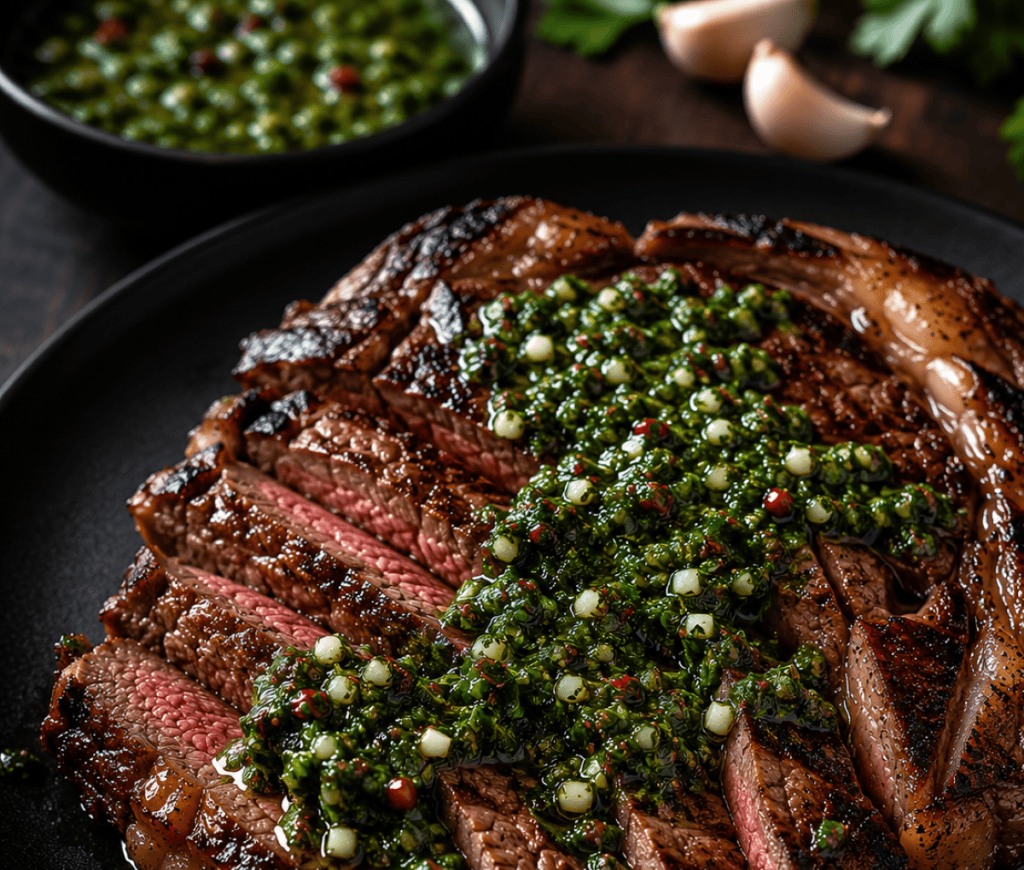
Fresh, vibrant, and packed with bold flavor, chimichurri sauce is one of the easiest ways to elevate grilled meats and vegetables. Originating in Argentina, this uncooked herb sauce combines parsley, garlic, oregano, olive oil, and vinegar into a bright, tangy condiment that’s especially famous for pairing with grilled steak.
Whether you’re grilling ribeye, flank steak, chicken thighs, shrimp, or roasted vegetables, homemade chimichurri adds layers of fresh herb flavor without adding sugar or unnecessary carbohydrates. It takes just minutes to prepare and actually tastes even better after resting for a few hours, making it an excellent make-ahead recipe for cookouts, meal prep, and weeknight dinners.
If you love bold flavors and simple ingredients, this authentic chimichurri sauce deserves a permanent place in your refrigerator.
What Is Chimichurri?
Chimichurri is a traditional Argentine condiment made primarily from fresh parsley, garlic, olive oil, vinegar, oregano, and red pepper flakes. Unlike creamy sauces, chimichurri is oil-based and uncooked, allowing the fresh herbs to remain vibrant and aromatic.
There are two common versions:
- Chimichurri Verde (Green): Made primarily with parsley and sometimes cilantro.
- Chimichurri Rojo (Red): Includes paprika, roasted peppers, or tomatoes for a deeper flavor and color.
The green version is the most recognizable and is the classic accompaniment to Argentine grilled beef.
Why You’ll Love This Recipe
- Ready in about 10 minutes
- Naturally low carb and keto-friendly
- No cooking required
- Great for meal prep
- Perfect for steaks, chicken, seafood, pork, and vegetables
- Keeps well in the refrigerator
- Bursting with fresh herbs and garlic
Ingredients
You’ll need:
- Fresh flat-leaf parsley
- Fresh garlic
- Dried oregano
- Red pepper flakes
- Red wine vinegar
- Extra virgin olive oil
- Kosher salt
- Freshly ground black pepper
Optional additions:
- Fresh cilantro
- Shallot
- Fresh lemon juice & zest
- Smoked paprika
How to Make Chimichurri Sauce
1. Chop the Herbs
Finely chop the parsley by hand for the best texture. While a food processor works, hand chopping creates a more rustic, traditional sauce.
2. Mince the Garlic
Fresh garlic provides the signature bold flavor. Avoid garlic powder if possible.
3. Mix Everything Together
Combine the parsley, garlic, oregano, red pepper flakes, salt, pepper, vinegar, and olive oil.
4. Let It Rest
Allow the sauce to rest for at least 30 minutes before serving. A few hours—or even overnight—develops even better flavor.
Tips for the Best Chimichurri
Use Flat-Leaf Parsley
Italian parsley offers the best flavor and texture.
Don’t Puree It
Traditional chimichurri is finely chopped rather than blended smooth.
Use Good Olive Oil
Since olive oil makes up much of the sauce, using a quality extra virgin olive oil makes a noticeable difference.
Let It Marinate
Time allows the garlic and herbs to mellow and blend together.
Taste Before Serving
Adjust the salt, vinegar, or pepper flakes to your personal preference.
What to Serve with Chimichurri
Chimichurri is incredibly versatile.
Try it on:
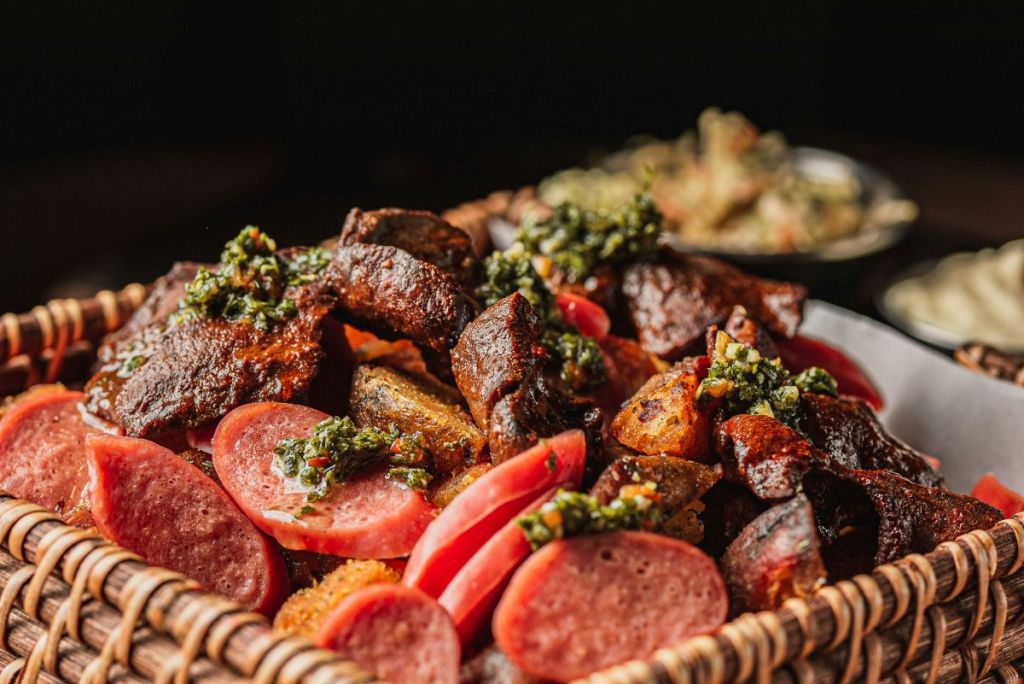
- Grilled ribeye steak
- Flank steak
- Skirt steak
- Tri-tip
- Grilled chicken breasts
- Chicken thighs
- Pork tenderloin
- Lamb chops
- Grilled shrimp
- Smoked meats & sausages
- Salmon
- Mahi-mahi
- Roasted cauliflower
- Grilled asparagus
- Zucchini
- Bell peppers
- Portobello mushrooms
- Scrambled eggs
- Omelets
It’s also fantastic as:
- A marinade
- Salad dressing
- Sandwich spread
- Burger topping
Is Chimichurri Low Carb?
Absolutely.
Traditional chimichurri contains no added sugar and only a handful of wholesome ingredients, making it naturally:
- Low carb
- Keto-friendly
- Gluten-free
- Dairy-free
- Paleo-friendly
- Whole-food based
Because it’s rich in healthy olive oil and fresh herbs, it fits beautifully into nearly any healthy eating plan.
Chimichurri Sauce
Equipment
- 1 Food Processor
Ingredients
- 1 cup finely chopped flat-leaf parsley
- ½ cup finely chopped cilantro
- 2 tablespoons finely chopped oregano
- 1 shallot finely chopped
- 2 garlic cloves finely chopped
- ¾ cup EVOO
- ¼ cup red wine or balsamic vinegar
- 1 teaspoon kosher salt
- ½ teaspoon crushed red pepper flakes
Instructions
- In a food processor, chop and blend shallot and garlic.
- Add parsley, cilantro, and oregano, and blend again until well combined.
- Add EVOO, vinegar, red pepper flakes (to taste), and salt, and blend one more time until well combined.
- Pour out into a serving bowl. Salt and pepper to taste.
Storage
Store chimichurri in an airtight glass container in the refrigerator for up to one week.
The olive oil may solidify when chilled. Simply allow the sauce to sit at room temperature for 20–30 minutes before serving and stir well.
You can also freeze small portions in ice cube trays for quick flavor additions throughout the year.
Recipe Variations
Cilantro Chimichurri
Replace half of the parsley with fresh cilantro for a brighter flavor.
Spicy Chimichurri
Increase the red pepper flakes or add a finely diced fresh chili pepper.
Lemon Chimichurri
Add fresh lemon zest and juice for extra freshness.
Smoky Chimichurri
Mix in smoked paprika for a subtle smoky flavor.
A Little History
Chimichurri has long been associated with Argentina’s famous asados, or traditional barbecue gatherings. While its exact origin remains debated, it has become one of the country’s signature condiments and is served alongside grilled beef at family gatherings, ranches, and restaurants throughout Argentina and neighboring Uruguay.
Today, chimichurri has become popular worldwide because of its simple ingredients, incredible versatility, and ability to transform almost any grilled meal into something special.
Frequently Asked Questions
Can I make chimichurri ahead of time?
Yes. In fact, chimichurri tastes even better after resting for several hours or overnight. Making it ahead allows the herbs, garlic, vinegar, and olive oil to meld into a richer, more balanced sauce.
How long does homemade chimichurri last?
Stored in an airtight container in the refrigerator, homemade chimichurri typically stays fresh for about one week. Stir before serving, as the ingredients naturally separate over time.
Can I freeze chimichurri sauce?
Absolutely. Freeze individual portions in an ice cube tray, then transfer the frozen cubes to a freezer-safe bag. They’ll keep well for up to three months and thaw quickly whenever you need them.
What’s the difference between chimichurri and pesto?
Although both are herb-based sauces, chimichurri uses parsley, garlic, vinegar, and olive oil, while pesto is traditionally made with basil, Parmesan cheese, pine nuts, garlic, and olive oil. Chimichurri has a brighter, tangier flavor and contains no cheese or nuts.
Final Thoughts
If you’re looking for a quick way to add restaurant-quality flavor to grilled meats, vegetables, and seafood, homemade chimichurri is hard to beat. Fresh herbs, garlic, olive oil, and vinegar come together in just minutes to create one of Argentina’s most beloved condiments.
Keep a jar in your refrigerator during grilling season—or all year long—and you’ll always have a fresh, flavorful sauce ready for steaks, chicken, seafood, roasted vegetables, or even eggs. Once you make it from scratch, you’ll wonder how you ever grilled without it.