
Mahi-Mahi with Blueberry Chutney
What Low-Carb Dinner is Elegant, Yet Easy to Fix?
Mahi-Mahi is one of our favorite fish choices for an easy weeknight meal or for when entertaining guests. Its mild, slightly sweet flavor pairs beautifully with bright fruits, citrus, and herbs, making it the perfect canvas for a fresh blueberry chutney.
Disclosure: Some links in this post may be affiliate links, which means we may earn a small commission if you make a purchase through them, at no additional cost to you. As an Amazon Associate, we earn from qualifying purchases. We only recommend products we use, love, or believe may be helpful to our readers. Thank you for supporting Low Carb Adventure!
This recipe combines tender air-fried mahi-mahi with a naturally sweet and tangy blueberry topping that adds incredible flavor without adding excessive carbohydrates. The result is a restaurant-quality meal that’s simple enough for a weeknight and impressive enough for guests.
Whether you’re following a low-carb lifestyle or simply looking for a healthy seafood recipe, this combination delivers protein, healthy fats, antioxidants, and plenty of flavor.

Why Will I Love This Recipe?
- Ready in about 20 minutes
- High in protein and naturally low in carbohydrates
- Easy air fryer preparation
- Great for meal prep
- Naturally gluten-free
- Perfect balance of savory, sweet, and tangy flavors
What Is Mahi-Mahi?
Mahi-Mahi is a firm, white fish found in tropical and subtropical waters. Despite its name, it is not related to dolphin mammals. (It is sometimes labeled as dolphinfish in some seafood markets.)
The fish has a mild flavor and firm texture that holds up well to grilling, baking, and air frying. Unlike stronger fish varieties, mahi-mahi readily absorbs seasonings while maintaining its own delicate flavor.
Because of its meaty texture, it is often a favorite seafood choice for people who don’t typically enjoy fish.
Is Mahi-Mahi a Sustainable Seafood Choice?
For seafood lovers who care about ocean health, sustainability is an important consideration when choosing fish. The good news is that mahi-mahi is generally considered one of the more resilient fish species due to its rapid growth rate and ability to reproduce quickly. However, sustainability can vary significantly depending on where the fish was caught and the fishing methods used.
The Most Sustainable Mahi-Mahi Choices
The most environmentally responsible mahi-mahi typically comes from well-managed U.S. fisheries that use low-impact fishing methods. Fish caught using handlines, pole-and-line gear, or troll fishing methods are often considered the best choices because they minimize harm to other marine species and have little impact on ocean habitats.
These selective fishing methods target mahi-mahi directly, resulting in very low levels of bycatch, which refers to the accidental capture of non-target species such as sea turtles, sharks, and seabirds.
Fishing Methods to Be Aware Of
Not all mahi-mahi is harvested using sustainable practices. Some imported mahi-mahi is caught using longline fishing methods, which involve deploying miles of baited hooks. While effective for catching fish, longlines can unintentionally capture other marine animals, including vulnerable and protected species.
Similarly, some large-scale net fishing operations may have greater impacts on surrounding marine ecosystems and can increase the likelihood of bycatch.
How Do I Buy Sustainable Mahi-Mahi?
When purchasing mahi-mahi from a seafood market or ordering it at a restaurant, consider asking where the fish was sourced and how it was caught. Responsible seafood retailers are often happy to provide information about the fishery and harvest methods.
You can also consult trusted resources such as the Seafood Watch program to check current sustainability recommendations. Because fisheries and management practices can change over time, these resources provide up-to-date guidance on making environmentally responsible seafood choices.
Enjoying Seafood Responsibly
Choosing sustainably sourced mahi-mahi allows you to enjoy a delicious, high-protein meal while supporting healthier oceans and responsible fishing practices. Whenever possible, look for fish from well-managed fisheries that use selective fishing methods to help protect marine ecosystems for future generations.
What Goes Great with Mahi-Mahi? Fruit Chutney!
Fruit chutney is a flavorful condiment that combines fruit, vinegar, spices, and aromatics to create a delicious balance of sweet, savory, and tangy flavors.

Originating in Indian cuisine, chutneys have become popular around the world as a way to enhance everything from grilled meats and seafood to cheeses and vegetables.
Unlike jam or preserves, chutneys typically include savory ingredients such as onions, garlic, herbs, or spices, giving them a more complex flavor profile.
In our recipe, fresh blueberries create a vibrant chutney that perfectly complements the mild, flaky texture of mahi-mahi. It also works well as an appetizer when paired with goat cheese and served on low-carb crackers.
We use berries in our chutney since they are better for low-carb eating, but you can use a variety of other fruits, including peaches, nectarines, figs, and more.
What Other Berries Work Well for Chutney?
One of the best things about chutneys is their versatility. If blueberries aren’t available, several other berries can create equally delicious variations that are lower in carbs that traditional chutneys made with mango or figs.
Blackberries
Blackberries provide a richer, deeper flavor with a slight tartness. They pair exceptionally well with seafood and grilled meats.
Raspberries
Raspberries create a brighter, tangier chutney. Because they contain more seeds, you may wish to strain the finished sauce for a smoother texture.
Strawberries
Strawberries offer a sweeter flavor profile and pair beautifully with citrus. Also, adding a splash of balsamic vinegar can enhance their natural sweetness.
Mixed Berries
A combination of blueberries, raspberries, and blackberries creates a complex flavor profile that works wonderfully with mahi-mahi.
What Do I Serve with Mahi-Mahi and Blueberry Chutney?
For a complete low-carb meal, consider serving this dish with:
- Roasted asparagus
- Air fryer broccoli
- Cauliflower rice
- Grilled zucchini
- Mixed greens salad
- Garlic green beans
- Roasted Brussels sprouts

Mahi-Mahi with Blueberry Chutney
Equipment
- 1 Air Fryer
Ingredients
- 2 fillets Mahi-Mahi
- 2 tbsp olive or avocado oil
- 1 tsp garlic powder
- 1 tsp paparika
- 1 tsp salt
- 1/2 tsp fresh ground black pepper
- 1 lemon sliced
- parsley for garnish
Instructions
- Preheat your air fryer to 400°F (200°C).
- In a small bowl, combine olive oil, garlic powder, paprika, salt, and black pepper.
- Brush the seasoning mixture evenly over both sides of the mahi-mahi fillets.
- Place the fillets in the air fryer basket and arrange lemon slices on top.
- Air fry for 10 to 12 minutes, flipping halfway through cooking.
- Test for doneness – the fish will flake easily or use an instant read thermometer of 145°F.
- Top with Blueberry Chutney, garnish with fresh parsley, and serve immediately.
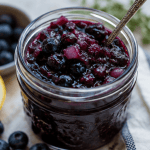
Blueberry Chutney
Ingredients
- 1 cup fresh or frozen blueberries
- 2 tbsp red onion, finely diced
- 1 tbsp apple cider vinegar
- 1 tbsp lemon juice
- 1 tsp dijon mustard
- 1 tbsp monk fruit sweetener with allulose
- 1/4 tsp cinnamon
- 1/4 tsp fresh ginger, grated
- 1 tsp chili, finely diced (like jalapeño), optional
- pinch of salt
Instructions
- Add all ingredients to a small saucepan over medium heat.
- Stir occasionally as the blueberries begin to soften and release their juices.
- Simmer for 8 to 10 minutes until slightly thickened.
- Remove from heat and allow to cool.
- Spoon over the cooked mahi-mahi before serving.
Tips for Perfect Air Fryer Mahi-Mahi
Don’t Overcook the Fish
Mahi-mahi can become dry if overcooked. Begin checking for doneness around the 10-minute mark.
Use Even-Sized Fillets
Fillets of similar thickness will cook more evenly.
Let the Chutney Rest
Allowing the chutney to cool for an hour or two helps the flavors meld together.
Fresh Is Best
Fresh lemon juice and fresh berries provide the brightest flavor, although frozen berries can work in a pinch.
Final Thoughts
Air Fryer Mahi-Mahi with Blueberry Chutney is a simple yet elegant low-carb meal that combines fresh seafood with vibrant fruit flavors. The flaky fish and sweet-tart chutney create a beautiful balance that feels both healthy and indulgent.
Whether you’re looking for a quick weeknight dinner or something special for entertaining, this recipe delivers impressive results with minimal effort.
FAQs
What does mahi-mahi taste like?
Mahi-mahi has a mild, slightly sweet flavor with a firm texture. It is less “fishy” than many seafood options, making it a great choice for people who prefer eating meat or chicken to fish.
Can I use frozen mahi-mahi in the air fryer?
Yes. Thaw the fillets completely and pat them dry before seasoning and cooking. This helps ensure even cooking and better browning.
What berries pair best with mahi-mahi?
Blueberries, blackberries, raspberries, and strawberries all pair well with mahi-mahi. Their natural sweetness and acidity complement the fish’s mild flavor.
Is blueberry chutney low carb?
Blueberry chutney can be low carb when made with a sugar substitute such as monk fruit or erythritol. While blueberries contain natural sugars, they can fit into many low-carb eating plans when enjoyed in moderation.